Leadership Compass is meant to keep helping you after the cohort experience is complete.
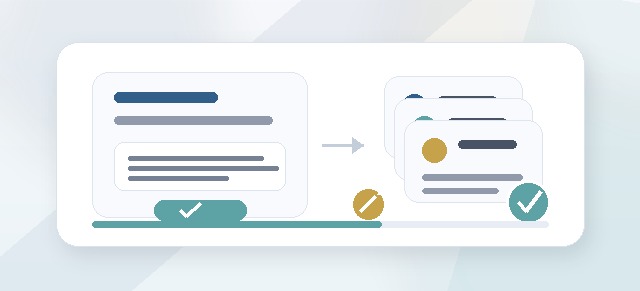
Once your enabled pillars are finished and your guide is built, you may move into the post-program experience. This is where you use your Compass to stay aligned, track commitments, reflect on real leadership moments, and continue growing.
What happens after the program?
After the active pillar work is complete, your focus shifts from building your Compass to living it.
You may be able to:
- open your Leadership Compass Guide
- review your commitments
- log alignment moments
- track momentum
- revisit your development roadmap
- request check-ins
- reflect on feedback
- update how you are practicing your Compass
The post-program experience helps your guide become a leadership tool, not just a completed document.
What is the post-program dashboard?
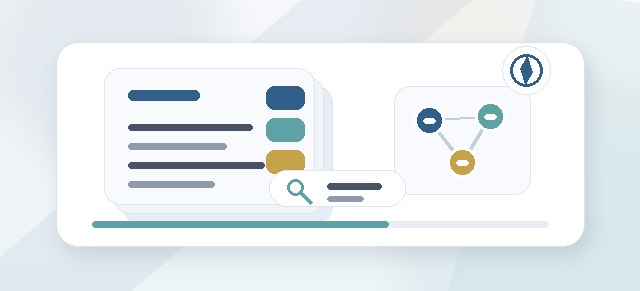
The post-program dashboard is a place to continue using Leadership Compass after you complete the selected pillars.
It may show:
- your guide
- your commitments
- alignment activity
- momentum indicators
- reflection prompts
- feedback loops
- sharing options
- next recommended actions
Use it as a regular check-in point for your leadership practice.
Open your guide regularly
Your Leadership Compass Guide is most useful when you return to it.
Consider opening your guide:
- before a difficult conversation
- before a team meeting
- before giving feedback
- before making an important decision
- after receiving feedback
- after a leadership mistake
- when you feel out of alignment
- at the start of a new month or quarter
The guide should help you remember the leader you chose to become.
Review your commitments
Your commitments are the practical promises you made through the Leadership Compass process.
They may include:
- how you want to communicate
- how you want to handle conflict
- how you want to create clarity
- how you want to build trust
- what standards you want to model
- what habits you want to practice
- what you want your team to experience from you
Reviewing commitments helps keep them visible.
What are alignment moments?
An alignment moment is a real situation where you notice whether your behavior matched your Compass.
You might log an alignment moment when:
- you practiced one of your commitments
- you handled a hard conversation well
- you noticed yourself drifting
- you repaired after falling short
- you received meaningful feedback
- you chose a better response under pressure
- you saw one of your standards affect the team
Alignment moments help you turn reflection into evidence.
Logging alignment moments
When logging an alignment moment, keep it simple and specific.
You might include:
- what happened
- which commitment it connected to
- what you did
- what you noticed
- what you learned
- what you want to repeat or adjust
The goal is not to create a perfect journal entry. The goal is to build awareness.
Tracking momentum
Your post-program experience may show momentum or progress over time.
Momentum may reflect:
- how often you return to your guide
- whether you log alignment moments
- whether commitments are being practiced
- whether you are continuing reflection
- whether you are using feedback
Momentum is not about perfection. It is about staying engaged with the Compass you built.
When you drift from your Compass
Every leader drifts.
You may drift when you are:
- tired
- rushed
- defensive
- unclear
- avoiding conflict
- under pressure
- overusing a strength
- trying to please everyone
- reacting instead of choosing
When you notice drift, use your Compass to return.
Ask:
- What commitment did I drift from?
- What was happening in me?
- What repair is needed?
- What would alignment look like now?
- What can I practice next time?
Repair and recommitment
Leadership growth includes repair.
When you fall short of your Compass, you can still practice leadership by naming the gap and recommitting.
Repair might look like:
- apologizing
- clarifying expectations
- reopening a conversation
- correcting a decision
- asking for feedback
- naming what you will do differently
- returning to your standard
The goal is not to never miss. The goal is to return with honesty.
Using feedback after the program
Feedback helps your Compass stay alive.
You might ask:
- Where do you see me living this commitment?
- Where do you see a gap between intent and impact?
- What should I continue?
- What should I adjust?
- What do you need more of from me?
- What is one behavior that would build more trust?
Use feedback to refine your practice, not to rewrite your identity every time someone has an opinion.
Revisit your development roadmap
Your development roadmap should help you focus on what comes next.
After the program, review your roadmap regularly and ask:
- Is this still the right focus?
- What progress have I made?
- What needs more attention?
- What has changed in my role or team?
- What feedback should shape my next step?
- What habit should I continue, stop, or start?
A good roadmap gives you direction without overwhelming you.
Sharing your Compass after the program
You may choose to share parts of your guide after the program.
This can help with:
- accountability
- coaching
- one-on-ones
- team alignment
- feedback conversations
- mentoring
- personal development planning
Share intentionally. You do not have to share every section for the guide to be useful.
Using your Compass with a Leader
If you choose to share parts of your Compass with a Leader, you might use it to discuss:
- what support you need
- what commitments you are practicing
- where you want feedback
- what growth area matters most
- how you want to be held accountable
- what kind of leadership you are trying to model
This can make development conversations more specific.
Using your Compass with a team
You may choose to share selected commitments with your team.
For example, you might share:
- your communication standards
- how you want to handle conflict
- what people can expect from you
- what feedback you welcome
- what team agreements matter to you
Sharing selected commitments can build clarity and trust.
Requesting a check-in
If your setup includes facilitator support, you may be able to request a check-in after completing the program.
A check-in can help you:
- review your guide
- discuss alignment moments
- process feedback
- refine commitments
- prepare for a leadership challenge
- reconnect with your development roadmap
Use check-ins when you need support applying the Compass in real situations.
How often should I revisit my Compass?
A simple rhythm is better than an unrealistic one.
Consider revisiting your Compass:
- weekly for a quick commitment check
- monthly for a deeper reflection
- quarterly for roadmap review
- after major feedback
- after major team or role changes
- before important leadership moments
Choose a rhythm you will actually use.
Common questions
Am I done after I generate my guide?
You may be done with the active cohort work, but your Compass is meant to keep supporting your leadership practice.
Do I have to log alignment moments?
This depends on your setup. Even if it is optional, logging moments can help you notice progress and patterns.
Can I update my guide later?
This depends on your workflow. If editing or revision is available, use it carefully so your guide stays current.
Can I still contact my Facilitator?
This depends on the program setup. If facilitator messaging or check-ins remain available, use them for support.
Should I share my guide with my team?
Only if it is useful and appropriate. You may choose to share selected commitments rather than the full guide.
What if my role changes?
Revisit your guide and development roadmap. A role change is a good time to refine how you use your Compass.
Troubleshooting
I cannot access the post-program dashboard.
Confirm that your enabled pillars are complete and required reflection cards have been accepted.
I cannot open my guide.
Your guide may not be generated yet, or another completion step may still be required.
I cannot log an alignment moment.
The feature may not be enabled, or you may need to complete the guide process first.
My momentum is not updating.
Check whether the activity you completed counts toward momentum in your setup. If needed, refresh the page or contact your Champion or Facilitator.
I cannot request a check-in.
A Facilitator may not be assigned, or check-ins may not be enabled for your cohort.
Best practices
- Revisit your guide regularly.
- Keep your commitments visible.
- Log real alignment moments.
- Notice both alignment and drift.
- Repair when you fall short.
- Ask for specific feedback.
- Review your development roadmap.
- Share intentionally.
- Use check-ins when you need support.
Leadership Compass is most valuable when it becomes a habit. The post-program experience helps you keep using what you built.